

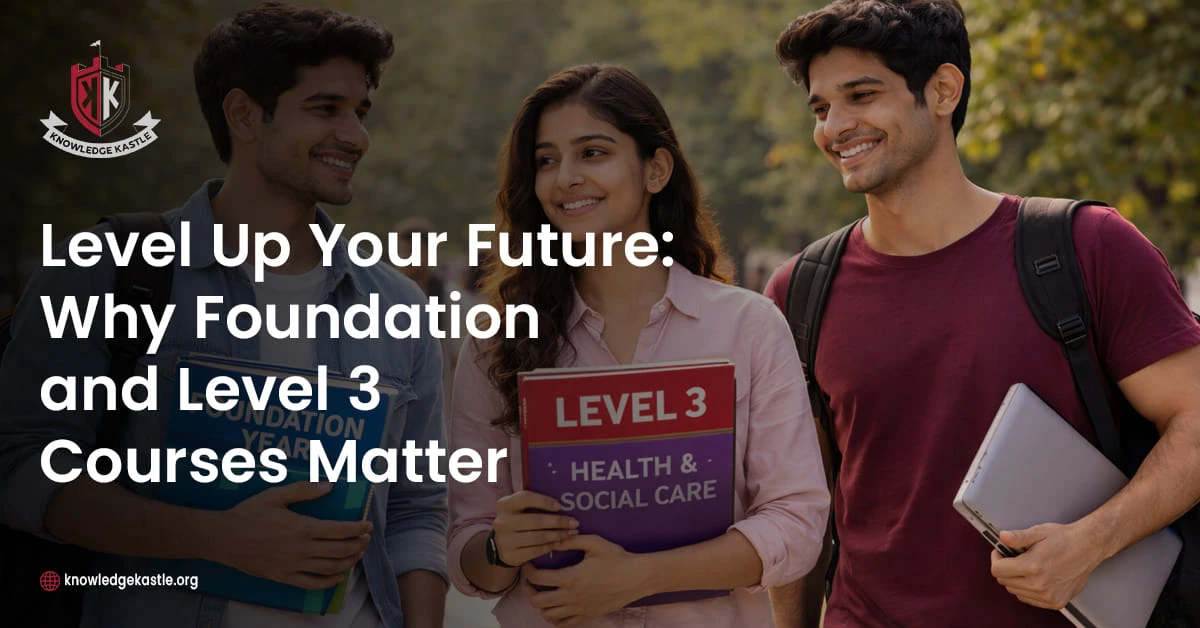
After completing O Levels, students often face a critical question: what’s the best next step to prepare for higher education and future careers? While A Levels are a well-known option, foundation and Level 3 courses offer a strategic alternative for building academic confidence, specialized skills, and a clear pathway toward university or professional success.
These programs bridge the gap between secondary education and higher-level studies, providing students with the knowledge, study skills, and practical experience needed to thrive. By focusing on both academic foundations and career-oriented competencies, foundation and Level 3 courses help students not just survive the transition after O Levels Program, but excel in it.
knowledge kastle guides students through these transformative programs, offering personalized support, expert mentorship, and structured learning to ensure every learner is prepared to take the next step with confidence. Whether your goal is higher education, professional qualifications, or skill mastery, understanding the value of foundation and Levels 3 courses is key to leveling up your future.
Foundation and Level 3 courses are particularly beneficial for students who want strong preparation, practical skills, and flexibility in choosing their future paths. In this article, we’ll explore why these courses matter and how knowledge kastle helps students maximize their potential.
What Are Foundation and Level 3 Courses?
Foundation and Level 3 courses are educational programs designed to bridge the gap between secondary education (O Levels) and higher education or professional qualifications. They provide students with a solid academic base, specialized knowledge, and practical skills needed to succeed in undergraduate studies or vocational pathways.
Foundation Courses:
- Typically last 6–12 months and prepare students for university-level studies.
- Focus on core subjects, academic skills, and study techniques to strengthen understanding and confidence.
- Help students adjust to the demands of higher education, including research, critical thinking, and independent learning.
Level 3 Courses:
- Equivalent to A Levels in terms of academic rigor and are internationally recognized.
- Offer specialized study in fields such as business, IT, engineering, or science.
- Include both academic and vocational options, providing practical skills alongside theoretical knowledge.
- Often provide pathways directly into undergraduate programs, professional qualifications, or apprenticeships.
Why These Courses Matter?
Foundation and Level 3 programs ensure students are well-prepared, confident, and equipped with the skills necessary to thrive in higher education and beyond. They offer a structured, flexible approach for students who may want an alternative to traditional A Levels Program or a head start in specialized fields.
Bridging the Academic Gap Between O Levels and Higher Education

Foundation and Level 3 courses help students transition smoothly from O Levels by strengthening core knowledge, building study skills, and preparing them for higher academic expectations.
1. Bridging the Academic Gap
Transitioning from O Levels to higher education can be challenging. Many students find that the jump in curriculum depth, study expectations, and critical thinking requirements creates a gap between their current knowledge and what is expected at the next level. Foundation and Level 3 courses are specifically designed to bridge this gap and ensure a smooth academic transition.
Key Ways These Courses Bridge the Gap:
- Strengthening Core Knowledge: They review and reinforce essential concepts from O Levels, ensuring students have a strong foundation before tackling advanced subjects.
- Developing Study Skills: Students learn time management, research techniques, academic writing, and problem-solving strategies that are crucial for higher education success.
- Building Confidence: Through structured lessons, guided practice, and continuous assessments, students gain confidence in their ability to handle more complex topics.
- Specialized Subject Focus: Level 3 courses allow students to explore subjects in greater depth, aligning learning with their intended career or university goals.
By bridging the academic gap, foundation and Level 3 courses prepare students to excel in undergraduate programs, vocational qualifications, or professional certifications, reducing stress and ensuring readiness for the challenges ahead.
2. Skill Development Beyond Academics
Foundation and Level 3 courses go beyond textbook knowledge by equipping students with essential skills that prepare them for both higher education and the professional world. These programs focus on practical, transferable abilities that enhance learning, problem-solving, and personal growth.
Key Skills Developed Through Foundation and Level 3 Courses:
- Critical Thinking and Problem-Solving: Students learn to analyze information, evaluate options, and make informed decisions, skills essential for success in university and the workplace.
- Research and Analytical Skills: Assignments, projects, and extended essays teach students how to gather, interpret, and present data effectively.
- Communication and Collaboration: Group work, presentations, and discussions improve verbal and written communication, teamwork, and interpersonal skills.
- Time Management and Organization: Structured coursework and deadlines help students develop discipline, prioritize tasks, and manage study schedules efficiently.
- Adaptability and Self-Learning: By encouraging independent learning and exploration, these programs foster adaptability, a critical skill in today’s fast-changing academic and professional environments.
By combining academic rigor with practical skill development, foundation and Level 3 courses ensure that students are not only prepared for exams but also for real-world challenges, giving them a competitive edge in higher education and future careers.
3. University Recognition and Global Opportunities
One of the major advantages of Foundation and Level 3 courses is their strong recognition by universities worldwide. These programs are designed not only to prepare students academically but also to open doors to global higher education opportunities.
Key Benefits of University Recognition:
- Smooth University Admissions: Level 3 courses, such as BTEC or Cambridge Level 3, are widely accepted by universities as equivalent to A Levels, facilitating direct entry into undergraduate programs.
- International Acceptance: Many foundation and Level 3 programs are recognized by top universities in the UK, Europe, North America, and Asia, allowing students to pursue higher education abroad.
- Pathway to Competitive Programs: Students completing these courses gain eligibility for specialized programs in fields like business, engineering, IT, healthcare, and creative arts.
- Scholarship Opportunities: Strong performance in recognized foundation and Level 3 courses can enhance eligibility for merit-based scholarships and financial aid programs at prestigious universities.
Global Opportunities Beyond Academics:
- Internships and Work Experience: Some programs incorporate practical training or industry partnerships, giving students early exposure to real-world work environments.
- Networking and Collaboration: Internationally recognized courses often provide opportunities to interact with students from diverse backgrounds, fostering global perspectives and professional networks.
By choosing foundation or Level 3 courses, students gain academic credibility and global mobility, positioning themselves to take full advantage of higher education and career opportunities worldwide.
4. Flexibility and Personalized Learning
One of the most significant advantages of Foundation and Level 3 courses is the flexibility they provide, allowing students to take control of their learning journey. Unlike traditional educational pathways that often follow a rigid structure, these courses are designed to accommodate different learning styles, paces, and academic goals, ensuring that each student can maximize their potential.
Key Aspects of Flexibility and Personalized Learning:
- Customized Study Plans: Students have the opportunity to work with mentors to create tailored study schedules that focus on their individual strengths while addressing areas that need improvement. This ensures a balanced approach to learning, allowing students to progress steadily without feeling overwhelmed.
- Choice of Subjects and Modules: Foundation and Level 3 programs often offer a wide range of subjects or modules. This allows students to select courses that align closely with their career ambitions, personal interests, and future university requirements. By choosing relevant subjects, students remain engaged and motivated throughout their learning journey.
- Blended Learning Options: Modern programs combine online learning, interactive virtual classes, and in-person mentoring. This hybrid model ensures that students can access high-quality educational resources from anywhere while still benefiting from personalized guidance and direct teacher support.
- Adaptive Support and Feedback: Continuous assessment and personalized feedback help students track their progress and identify areas for improvement. knowledgekastle ensures that students receive targeted guidance, extra help when needed, and encouragement to overcome academic challenges, fostering confidence and resilience.
- Balancing Other Commitments: Flexible scheduling allows students to pursue extracurricular activities, internships, part-time work, or additional skill-building programs alongside their main studies. This holistic approach ensures students develop both academically and personally, preparing them for future challenges.
- Self-Paced Learning: Foundation and Level 3 courses allow students to learn at their own pace, ensuring that they fully understand each concept before moving on. This approach reduces the stress associated with fast-paced academic programs and builds a strong foundation for higher education.
By emphasizing flexibility and personalized learning, Foundation and Level 3 programs ensure that students are not only academically prepared but also mentally confident and well-equipped for future challenges. This approach fosters independence, encourages self-motivation, and allows students to thrive in a way that suits their unique learning style, ultimately leading to better academic performance, personal growth, and career readiness.
5. Career and Life Preparation
Foundation and Level 3 courses do more than prepare students academically—they also equip them with the skills and experiences needed to succeed in the real world. By combining subject knowledge with practical applications and personal development, these programs ensure that students are ready for both higher education and professional life.
Key Aspects of Career and Life Preparation:
- Career-Oriented Learning: Many Level 3 programs integrate industry-relevant skills and practical training. Whether in business, IT, healthcare, engineering, or creative fields, students gain knowledge that is directly applicable to future careers, giving them a head start in competitive job markets.
- Professional Skills Development: Beyond academics, these courses focus on communication, teamwork, problem-solving, project management, and critical thinking, skills that are highly valued by universities and employers alike.
- Exposure to Real-World Scenarios: Assignments, projects, internships, and work-based learning experiences allow students to apply their knowledge in practical contexts. This exposure builds confidence and helps students understand workplace expectations early on.
- University and Career Guidance: Many foundation and Level 3 programs include structured counseling and mentorship to help students identify suitable career paths, choose relevant higher education programs, and prepare for university admissions, including writing personal statements and preparing for interviews.
- Building Independence and Responsibility: Through self-paced learning, goal setting, and structured assessments, students develop independence, discipline, and responsibility, essential qualities for success in higher education and life beyond school.
- Adaptability and Lifelong Learning: By encouraging students to explore different subjects, solve complex problems, and manage their own learning, foundation and Level 3 courses foster adaptability, a critical skill in a rapidly changing global job market.
Why It Matters?
Students who complete foundation or Level 3 courses are not only academically prepared but also career-ready and life-ready. They gain a balanced mix of technical knowledge, professional skills, and personal development that empowers them to make informed decisions, pursue meaningful careers, and navigate the challenges of higher education with confidence.
How knowledge Kastle Supports Students in Foundation and Level 3 Courses?

Navigating the transition from O Levels to higher education can be challenging. Choosing the right pathway, understanding subject requirements, and building both academic and professional skills require guidance, structure, and personalized support. knowledge kastle plays a vital role in helping students succeed in Foundation and Level 3 courses, ensuring they are well-prepared for both higher education and future careers.
1. Personalized Academic Guidance
knowledge kastle provides one-on-one counseling to help students identify the most suitable foundation or Level 3 programs based on their interests, strengths, and long-term goals. This personalized approach ensures that students choose the right subjects and modules, maximizing their chances of academic success and future opportunities.
2. Skill Development Beyond the Classroom
In addition to core academic content, knowledge kastle emphasizes essential skills such as critical thinking, research, communication, problem-solving, and time management. By integrating these skills into learning, students are prepared not just for exams, but for university and professional life.
3. Structured Learning Plans
knowledge kastle helps students create customized learning schedules and progress plans. These structured plans ensure that students cover all required material, practice effectively, and stay on track, reducing stress and enhancing confidence.
4. Mentorship and Continuous Support
Students benefit from ongoing mentorship and support, including progress tracking, feedback on assignments, and academic guidance. knowledge kastle ensures that students receive help whenever needed, building confidence and resilience throughout their learning journey.
5. University and Career Preparation
knowledge kastle guides students in selecting the right higher education pathways, preparing university applications, and exploring career options. From subject selection to scholarship opportunities and admission requirements, students receive comprehensive guidance to align their foundation or Level 3 studies with future goals.
6. Flexible and Accessible Learning Resources
knowledge kastle provides a range of learning resources, including online modules, practice exercises, workshops, and interactive sessions. These resources allow students to learn at their own pace, revisit challenging topics, and reinforce understanding in a flexible and accessible way.
7. Encouraging Confidence and Motivation
By providing guidance, support, and encouragement, knowledge kastle helps students build self-confidence and maintain motivation. Students are empowered to tackle academic challenges, make informed decisions, and take ownership of their learning journey.
With knowledge kastle comprehensive support system, students enrolled in Foundation and Level 3 courses are equipped to excel academically, develop essential life and career skills, and smoothly transition to higher education or professional pathways. By combining personalized guidance, structured learning, and continuous mentorship, knowledge kastle ensures that every student reaches their full potential.
Conclusion
Choosing the right path after O Levels is a critical decision that can shape both academic and professional futures. While A Levels are a well-known option, Foundation and Level 3 courses provide a flexible, skill-oriented, and internationally recognized alternative that bridges the gap between secondary education and higher studies.
These programs not only strengthen academic knowledge but also foster critical thinking, problem-solving, communication, and career-ready skills. They offer personalized learning, structured guidance, and practical experience, ensuring students are fully prepared for university or professional life.
knowledge kastle plays a pivotal role in this journey by providing personalized mentorship, structured study plans, skill-building support, and guidance for higher education and career opportunities. With knowledge kastle , students can confidently navigate Foundation and Level 3 courses, explore their full potential, and level up their future.
By choosing Foundation or Level 3 pathways and leveraging knowledge kastle expertise, students are empowered to make informed decisions, achieve academic excellence, and build a strong foundation for a successful and fulfilling future.
Frequently Asked Questions (FAQs)
1. What are Foundation and Level 3 courses?
Foundation courses are pre-university programs that strengthen core academic skills, while Level 3 courses are equivalent to A Levels, providing in-depth knowledge and global recognition.
2. Who should consider taking Foundation courses?
Students who need additional preparation for university or want a smooth transition from O Levels are ideal candidates for Foundation programs.
3. What subjects are offered in Level 3 courses?
Level 3 courses cover a wide range of subjects, including Mathematics, Science, Business, IT, and vocational programs.
4. Are Level 3 courses recognized by universities?
Yes, Level 3 courses are internationally recognized and accepted by top universities worldwide for undergraduate admissions.
5. Can Foundation and Level 3 courses improve career readiness?
Absolutely. These courses focus on practical skills, research, communication, and problem-solving, preparing students for both university and professional life.
6. How long do these programs usually take?
Foundation programs typically take 1 year, while Level 3 courses can take 1–2 years, depending on the curriculum and student pace.
7. Do these courses provide personalized learning support?
Yes, knowledge kastle offers tailored study plans, one-on-one mentoring, and continuous feedback to help students maximize their potential.
8. Can I pursue these courses online?
Many Foundation and Level 3 courses offer online learning options, providing flexibility for students who cannot attend in-person classes.
9. How do these courses compare to A Levels?
Level 3 courses are equivalent to A Levels in rigor but often include practical applications and vocational training, giving students more career-focused skills.
10. How can I enroll at knowledge kastle for Foundation or Level 3 courses?
You can visit the knowledge kastle website or contact their admissions team for detailed guidance on enrollment, programs, and schedules.

0 Comments